

St Alban’s Catholic High School Domine Ut Serviam - Lord, that I may serve
Year 11 Support
St Alban’s 2025 cohort
A clear, effective and healthy revision strategy
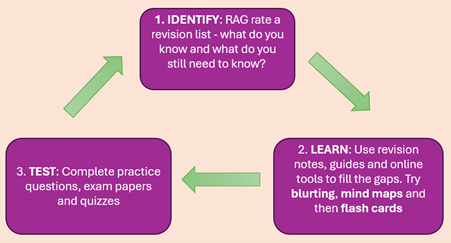
1. IDENTIFY: RAG rate revision lists - what do you know and what do you still need to know? This means using revision lists provided by subjects (link here) to identify and prioritise topics to revise. Research suggests students should spend 40% of your time reviewing the stuff they find hard to understand / recall. 30% of time on stuff that is not so hard but still confuses students in some way. 20% of time on the stuff that is fairly, easy, and students get right most of the time and only 10% of your time on the stuff students get right all the time.
2. LEARN: Use revision notes, guides and online tools to fill the gaps in knowledge. Three techniques are recommended here…Blurting, Mind mapping and Flash Cards.
- Blurting is a form of active recall, a technique where you actively retrieve information from memory. Blurting involves writing down all the information you can remember on a topic (it doesn't matter about the order or if it's correct at the start) then going back to your notes to find out what you've missed or got wrong. Encourage students to use one colour to blurt from memory (without using notes) and a different colour to add what was missed and correct misconceptions.
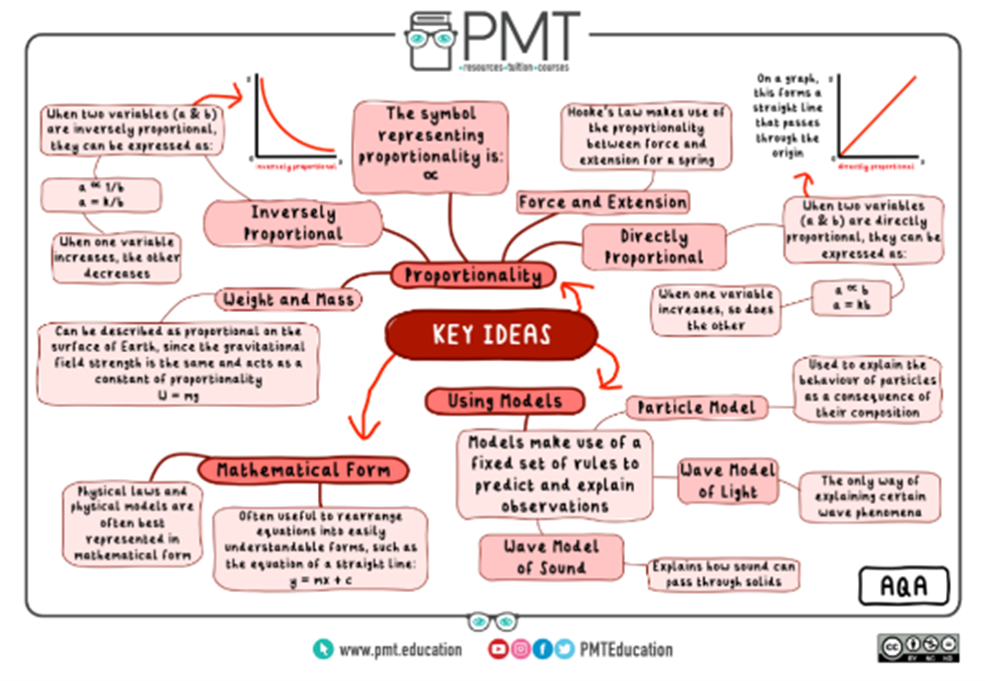
- Mind mapping is a technique to visually develop and organize ideas and information around a single topic.
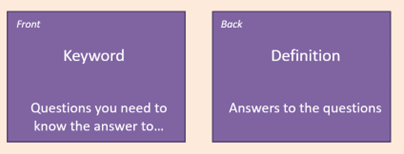
- Flashcards are ideal for memorising key terms, facts, quotes and numbers.
Encourage students to make their own flashcards with questions and answers and then to review flashcards at regularly spaced intervals to retain information. Students can review flashcards on their own, with parents / carers or with peers.

3. TEST: Complete practice questions, exam papers and quizzes, perhaps the most important stage. The best way to do this is by doing practice exam questions… using past papers, mark schemes and examiners reports
A helpful website on revision techniques can be found here
Some subjects recommend specific websites to support revision – many are interactive, see subject revision resources for these!
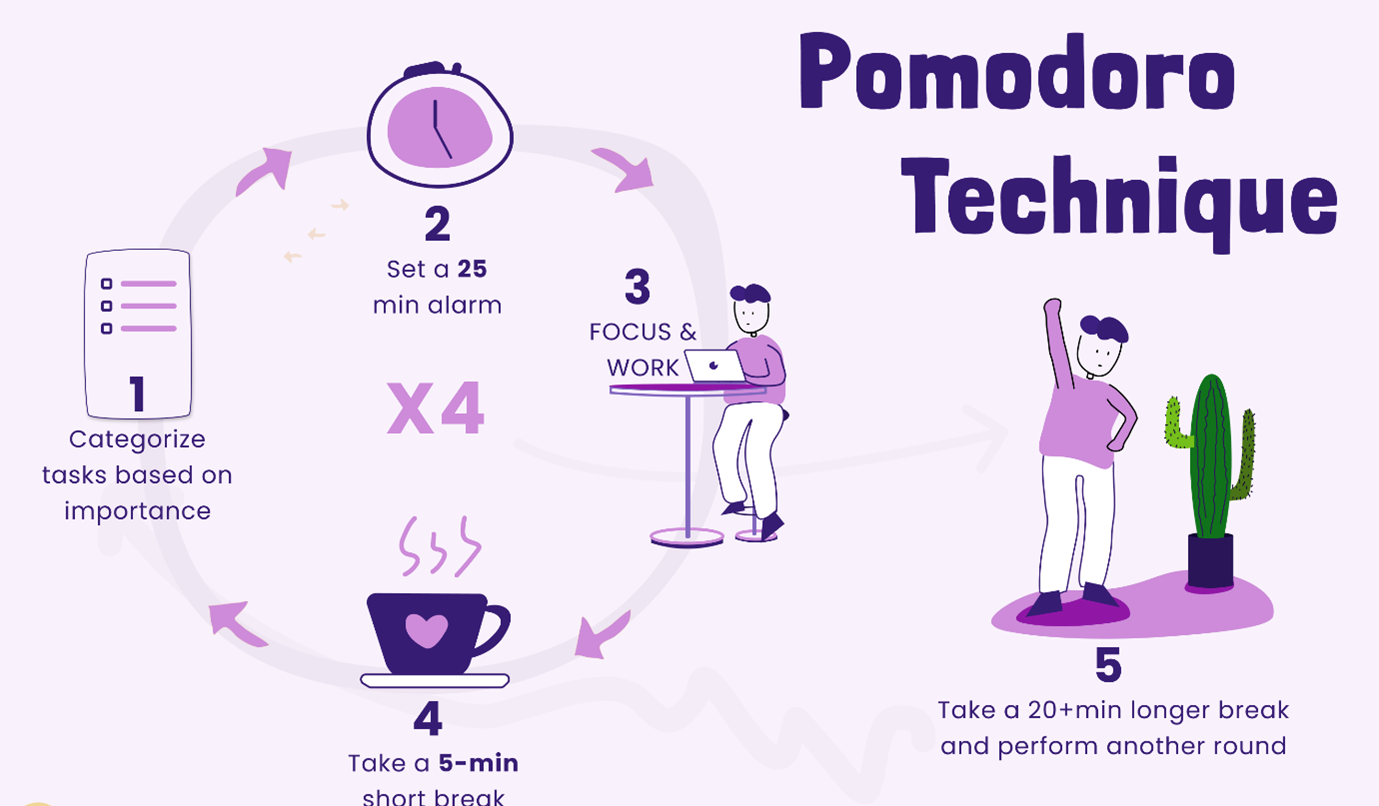
The Pomodoro Technique helps to use your revision time effectively. This is when you study for 25 minutes, take a 5-minute break, and repeat. After four cycles of this, you take a longer break. We are suggesting Year 11s aim for 2 hours of revision each evening.
Year 11 students are working on their Revision Timetables in tutor time.
A helpful website on writing a revision timetable can be found here
The following resources are available to help Year 11 students and parents prepare for their examinations:
Please click on the title to open the file
- GCSE Exam Boards and Syllabus Numbers 2024 2025
- Dealing with Pressure - Parental Pamphlet
- Helping to Develop Resilience - Parental Pamphlet
- JCQ - Preparing to sit your exams
In addition, every subject has prepared further subject specific resources for Year 11 students, including detailed checklists to support revision. These can be found in the student shared area.